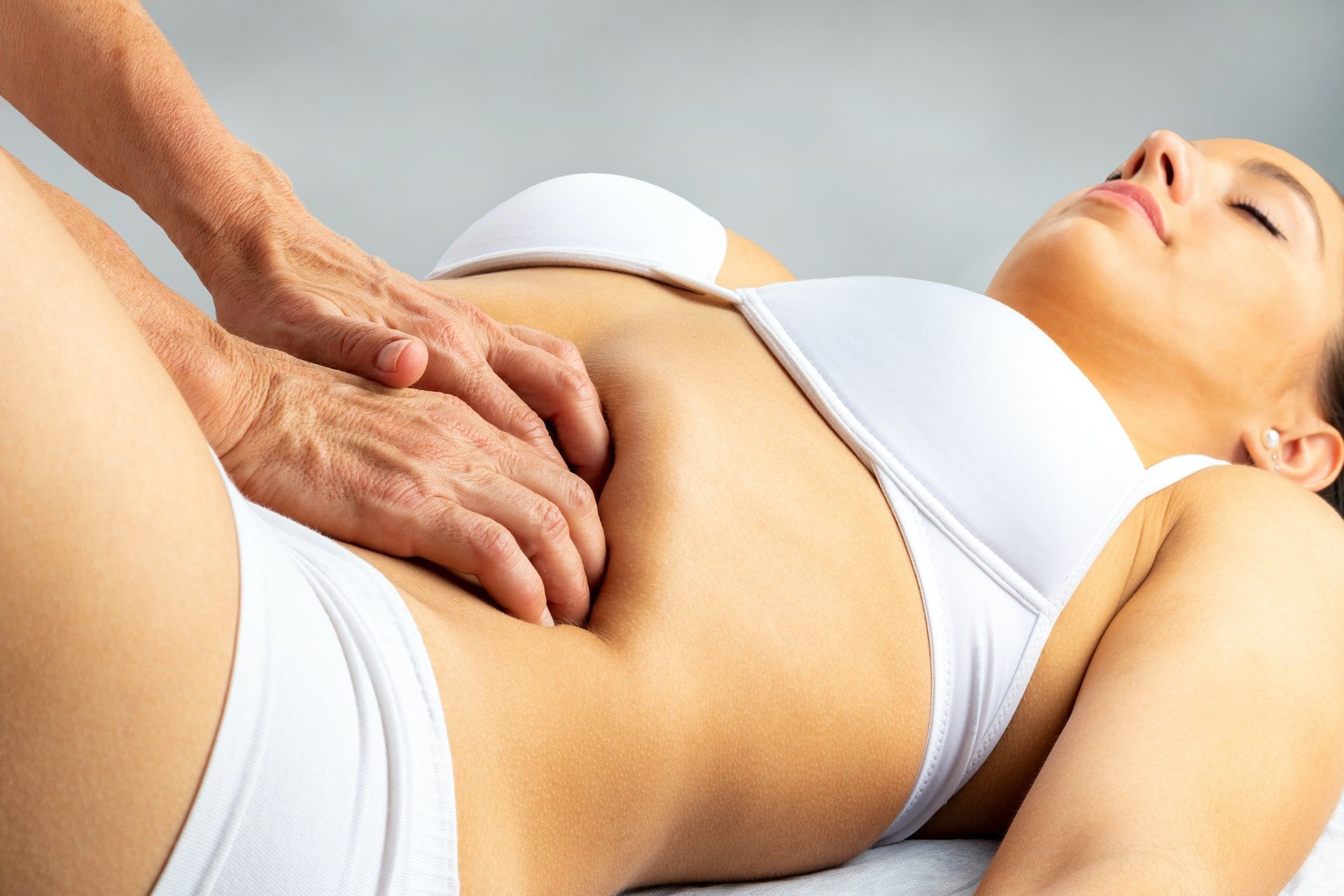


Visceral dysfunction (e.g. mobility or restricted motility) may be the underlying cause or contributing factor in the development of non-specific lumbar back pain (LBP) and can be treated with osteopathic manipulative therapy (OMT).
The aim of this registered systematic review (CRD42018100633) was to determine the effectiveness of visceral mobilization for non-specific LBP and to investigate the association between changes in visceral range of motion and symptoms of LBP.
November 2018 peer-reviewed studies published in English or German were retrieved from the following databases: Medline, Cochrane library, Science Direct, PEDro, OSTMED.RD and Osteo web res. Articles identified in the search were screened using selection criteria based on title and abstract.
Studies were included after independent review of the full-text versions.
Data extraction Study quality assessment (risk of bias tool and PEDro score) and data extraction (mean and standard deviation for patient-reported outcomes and impairments – pain measurements, function and ultrasound on changes in organ mobility) were performed by two independent authors.
Due to the heterogeneity of the study populations and methods, no meta-analysis was performed.
A total of four RCTs of medium to good methodological quality were included.
Two studies reported significant short-term (less than 3 days) improvement in pain and visceral range of motion, although the clinical significance of these differences was unclear.
One study reported significant long-term (52 weeks) differences in pain and one reported medium-term (6 weeks) differences in quality of life.
Jacob Marten Switters, Stefan Podar, Luke Perraton, Zuzana Machotka, Is visceral manipulation beneficial for patients with low back pain?
A systematic review of the literature, International Journal of Osteopathic Medicine, Volumes 33-34, 2019, 16-23. https://www.sciencedirect.com/science/article/pii/S1746068919300112
Effectiveness of the Pedal Pump Technique in Reducing Lower Limb Fluid Volume
Explore the benefits of the pedal pump technique combined with myofascial release in reducing lower limb fluid volume.
Learn how this osteopathic approach can aid conditions like peripheral edema and venous stasis.